
Blog
Relocating to Coastal North Carolina: A Guide to Lifestyle, Cost, Community, and Local Favorites
March 31, 2026
If you’re thinking about moving to a new home in coastal North Carolina, you’re probably asking bigger questions than just whether the weather is nice. You want to know what daily life actually feels like. Is it easy to get to the beach, downtown, shopping, and healthcare? Does the area feel active and social without feeling overbuilt or overly crowded? Are there enough things to do once the novelty of living near the water wears off?
Those are the questions that really matter, and they’re the ones we hear most often at Kent Homes. What draws people here is not just one feature. It’s the combination of beach access, outdoor living, community feel, healthcare, restaurants, recreation, and a pace of life that feels more manageable than many larger coastal markets.

Why More People Are Choosing Coastal North Carolina
One of the biggest reasons people relocate to this part of the state is balance. Coastal North Carolina offers the beach-town lifestyle many buyers want, but in a way that still feels workable for everyday life. You can spend the morning walking the shoreline, meet friends for pickleball or golf, run errands without planning your whole day around traffic, and still have good access to healthcare and dining.
For many relocators, especially those coming from the Northeast, Midwest, or busier Southern markets, that balance is what feels different. North Carolina also does not tax Social Security benefits, and property taxes are locally assessed rather than centrally billed by the state. That does not mean ownership costs are identical from one community to another, but it is a meaningful part of the relocation conversation.
This area also offers choices. Wilmington sits between the Cape Fear River and the Atlantic Ocean, while nearby communities in Leland, Southport, Oak Island, Carolina Beach, Kure Beach, and Wrightsville Beach each bring a different feel. Official tourism sources highlight Wilmington’s three nearby island beaches as being just minutes from historic downtown, and the state tourism office notes that Carolina, Kure, and Wrightsville beaches are generally about 20 to 30 minutes from downtown Wilmington.
What People Ask Before Moving Here
Before relocating, most buyers ask some version of the same questions.
Is Wilmington a good place to retire or relocate?
For many people, yes. It works well for retirees, professionals, and families because the lifestyle is active and social without being overwhelmingly fast-paced. You can golf, boat, walk the beach, take a fitness class, meet friends downtown, and still live in a place that feels more approachable than many larger coastal cities. Healthcare is also a major factor. Novant Health New Hanover Regional Medical Center offers emergency, surgical, rehabilitation, medical, and behavioral health services, while Dosher Memorial and Novant Health Brunswick Medical Center expand care options farther south and west.
How close are homes to the beach, downtown, shopping, and healthcare?
That depends on the new home community, but one of the advantages of this region is proximity. Wrightsville Beach is 8.5 miles from Wilmington, and the island beaches are generally about 20 to 30 minutes from downtown. Leland is also close to downtown Wilmington and only a few miles from area beaches.
What is the cost of living like?
Buyers usually mean more than just purchase price when they ask this. The better question is total ownership cost, which includes taxes, insurance, HOA or amenity fees where applicable, utilities, and maintenance. Property tax bills are handled at the local level in North Carolina, and homeowners insurance along the coast may involve additional questions about wind, hail, and flood coverage depending on the property and insurer. The North Carolina Department of Insurance specifically advises homeowners to ask whether windstorm, hail, or flood protection is included or needs to be purchased separately.
Does Wilmington feel overcrowded?
Not in the way many larger coastal markets do. The region is growing, and some corridors are busier than they were a decade ago, but the density and pace stay at a level most people find refreshing rather than exhausting. That balance comes up often with buyers who want water access and amenities without feeling swallowed by crowds or nonstop tourism.

What Daily Life Actually Feels Like
One of the biggest surprises for new residents is that living on the coast here tends to be more active than they expected. Coastal living in this part of North Carolina is not just about sitting on a porch and slowing down. For many people, it becomes a more outdoors-oriented and social version of daily life.
Locals tend to spend a lot of their free time in a few recurring places. The beaches are an obvious one, especially Wrightsville Beach for quick access and watersports, or Carolina and Kure Beach for a different pace. Downtown Wilmington is another, especially Front Street and the Riverwalk area. The Wilmington Riverwalk stretches 1.75 miles along the Cape Fear River, which helps explain why it becomes such a regular part of people’s routines rather than just a visitor stop. Parks and green spaces also matter more than newcomers often expect.
That everyday pattern often looks like this: beach in the morning, errands or lunch in town, maybe a walk or bike ride later in the day, then dinner with friends, a concert, or a community activity in the evening. It feels active, but not forced.
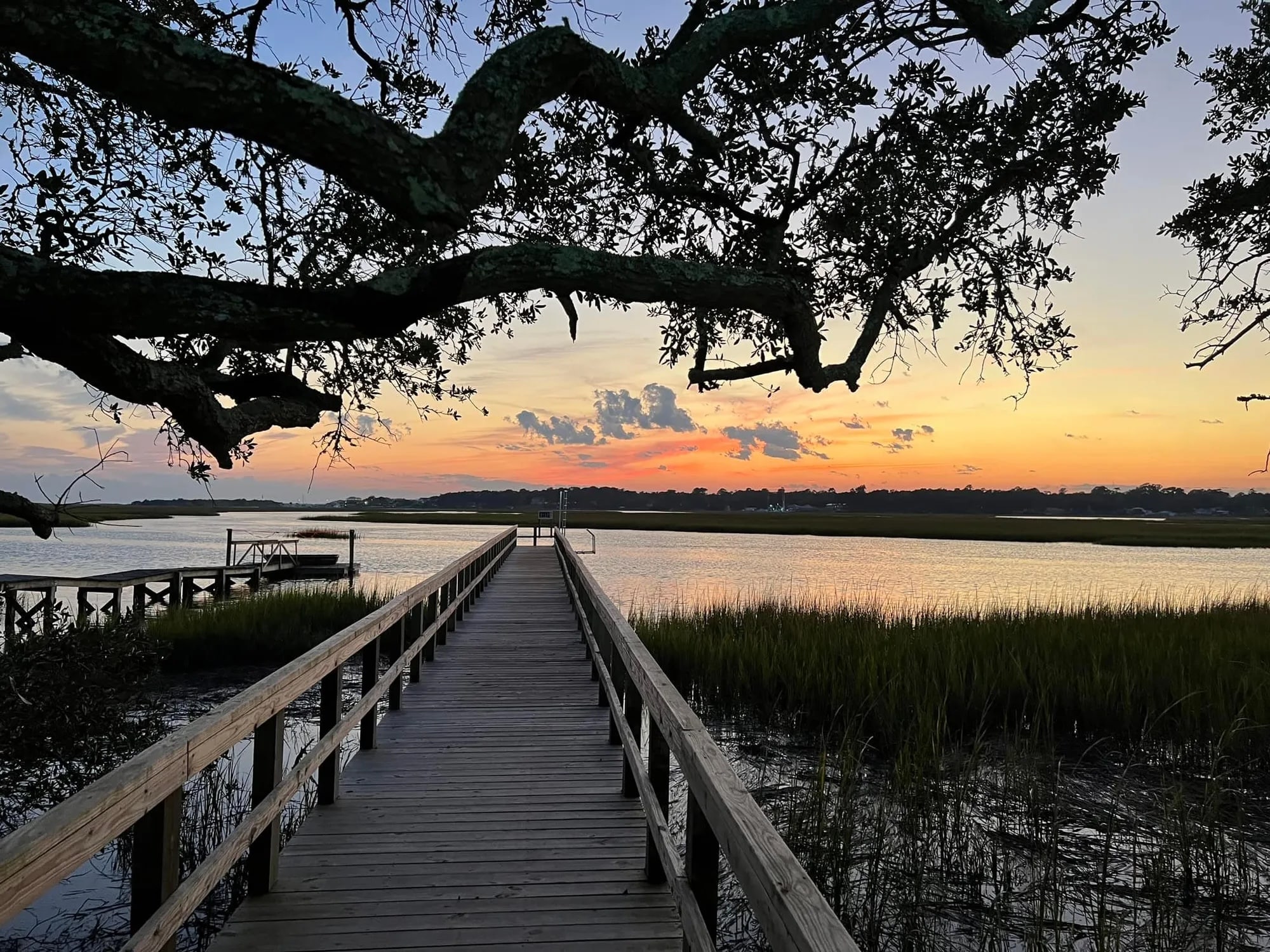
Beaches, Golf, Pickleball, and the Social Side of the Region
One reason coastal North Carolina appeals to so many relocators is that staying active here feels easy. Wrightsville Beach is known for watersports and year-round beach activity. Carolina Beach State Park offers hiking, paddling, and one of the area’s most distinctive ecological details: it is home to the Venus flytrap, which grows naturally only within a small region of the Carolinas.
Golf is another major part of the lifestyle. Cape Fear National is one of Wilmington’s most celebrated golf courses and the centerpiece of Brunswick Forest, while The Clubs at St. James highlight 81 holes of golf along with dining, fitness, and a private marina.
Pickleball has also become one of the easiest ways for new residents to plug into the community. The HOP in Leland offers dedicated indoor pickleball. Pickle & Taps has built a social venue around the game in Wilmington. Brunswick Forest offers daily drop-in tennis and pickleball and also highlights more than 100 miles of walking and biking trails. For many new residents, this becomes one of the quickest paths into friendships and routines.
The Places Locals Actually Spend Time
If you ask where people who live here really spend their time, the answer is usually not one place. It is a rotation.
People go to Wrightsville Beach for a quick beach morning, surf session, or walk. Carolina and Kure Beach often come up for a more laid-back beach day. Downtown Wilmington and Front Street stay popular for casual meetups, dinners, strolling, and events along the river. New homes in Southport and Oak Island offer another rhythm entirely, one that feels a little more relaxed and tied to riverfront and beach-town traditions. Oak Island’s pier is one of the area’s landmark coastal spots and is operated by the Town of Oak Island. Southport Waterfront Park overlooks the Cape Fear River and includes a fishing pier, benches, swings, picnic tables, and walkways.
Greenfield Park is also one of those places locals return to again and again. Tourism sources note its 250 acres, walking and biking trails, pickleball courts, boat and kayak rentals, skate park, playgrounds, and the Greenfield Lake Amphitheater. It is both recreational and social, which makes it one of the more useful “real life” places in the Wilmington area.
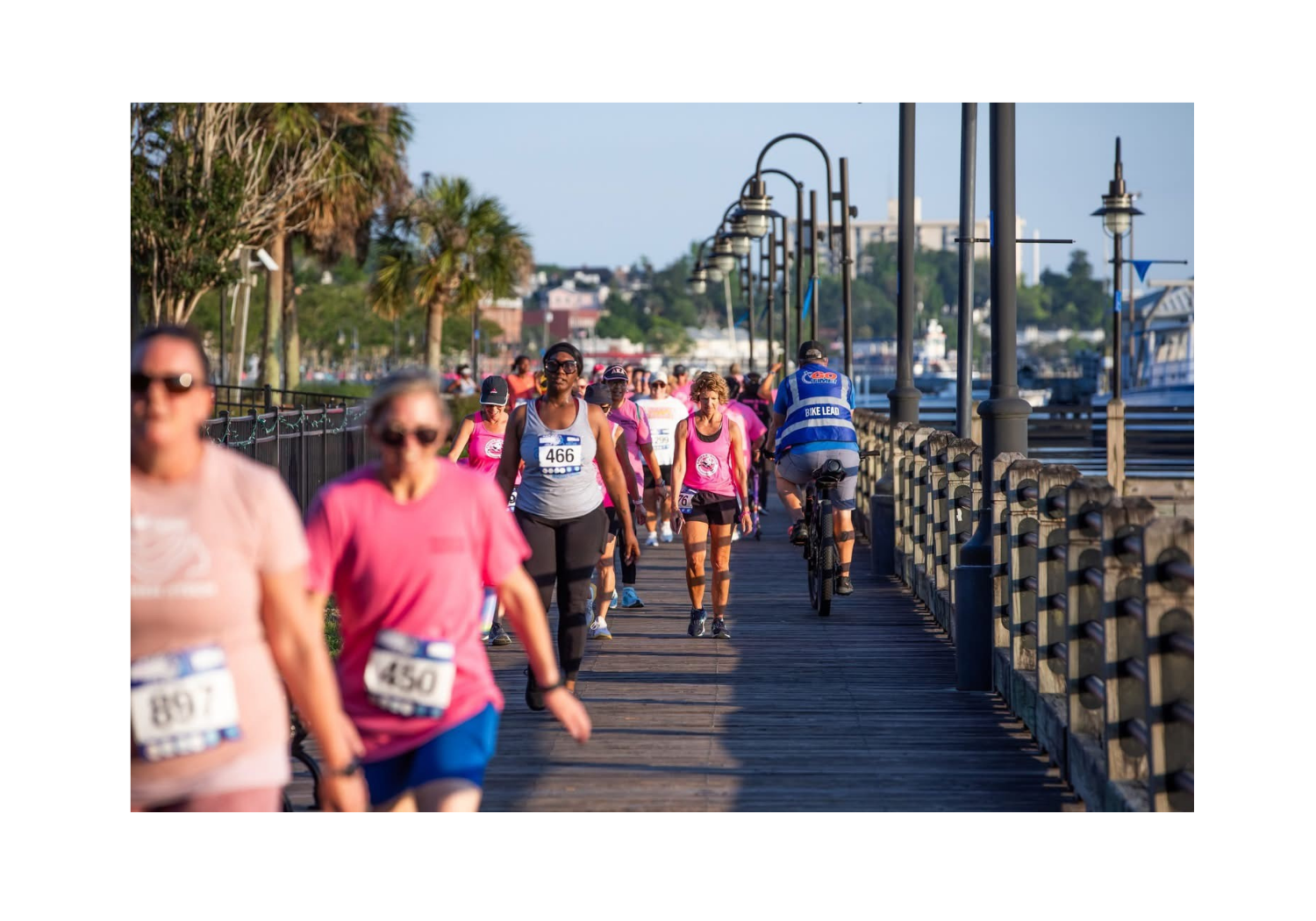
Hidden Gems and Local Favorites Newcomers Might Miss
One of the best parts of relocating here is discovering the places that do not always make the first-page relocation lists.
Airlie Gardens is one of those places. It is not just a beautiful stop for visitors. It is the kind of place residents return to for walks, seasonal displays, and the Summer Concert Series.
Lumina Station is another. Its official site calls it the shopping village by the beach, with locally owned boutiques, restaurants, and lifestyle services in a setting that feels distinctly coastal and local.
For live music, Greenfield Lake Amphitheater and Live Oak Bank Pavilion each add something different. Greenfield Lake offers a smaller, more intimate setting surrounded by parkland, while Live Oak Bank Pavilion brings in larger touring acts right on the waterfront.
For food, there are a number of places locals bring up repeatedly. On the waterfront side, Fishy Fishy Cafe, Provision Company, Elijah’s, and The Pilot House all fit naturally into the coastal routine. For broader Wilmington favorites, Indochine, The Basics, Benny’s Big Time, Seabird, and PinPoint are the kinds of places people recommend once you start asking where locals actually go. And for a slightly more under-the-radar mention with national TV recognition, Fork n Cork has been featured on Diners, Drive-Ins & Dives and is highlighted by local tourism sources for the same Guy Fieri connection.
Bald Head Island and Other Details People Love to Learn
Some of the most memorable facts about the region are the kind that people usually learn only after moving here.
Wilmington is often called “Hollywood East” because of its long history as a film location, and local tourism still highlights sites tied to productions like One Tree Hill and Dawson’s Creek.
Bald Head Island adds another layer to the area’s identity. Local and regional sources note that it is the northernmost point in the U.S. where sabal palms grow naturally, which helps explain why the area can feel so distinctly coastal and almost subtropical at times.
Those details matter because they help turn the region from a map into a lifestyle. It starts to feel less like a destination and more like a place with character.
Future Development and What Buyers Should Know
This is also a growing region, which means buyers often ask about future development, infrastructure, and what the area will feel like five or ten years from now.
That is a fair question. Brunswick County maintains development dashboards that track major residential development from 2015 forward, and the Town of Leland specifically promotes itself as a growing community close to both Wilmington and the beaches. Growth is part of the story here. The key is understanding that growth looks different in different pockets of the region. Some buyers want to be in the middle of newer commercial and residential expansion. Others want a more tucked-away setting with easier access to older town centers or water views.
For buyers who already own land, or are considering purchasing it, this flexibility becomes even more important. Building on your own lot in Wilmington and the surrounding areas lets you choose not just your home design, but also the exact setting and pace of life that suits you best. Kent Homes works closely with homeowners throughout this process, helping evaluate land, navigate site considerations, and bring a custom vision to life in the location that feels right.
The practical takeaway is that relocating here should include more than choosing a house. It should include thinking about what kind of community rhythm you want around you, how much future development you are comfortable with, and how you want convenience and quiet to balance out over time.
What to Expect in the First Year After Relocating
The first year after moving to coastal North Carolina is usually when the area starts to make the most sense. At first, people often focus on the obvious draws: the beach, the weather, the scenery, the restaurants. Then the routines start to form.
You find your go-to beach. You learn which route you actually prefer into Wilmington. You figure out whether you spend more time downtown, on the golf course, walking trails, playing pickleball, or exploring Southport and Oak Island. You start to understand which parts of town feel busiest, which ones feel easiest, and which local places you want to keep returning to.
That settling-in process is part of what makes the move feel real. It is also why this region works so well for many relocators. It offers enough variety that life does not feel repetitive, but it is still manageable enough that people can build routines quickly.

Why the Area Continues to Draw New Residents
The strongest case for relocating here is not any single attraction. It is the full picture. Coastal North Carolina gives people access to beaches, boating, golf, trails, concerts, healthcare, and a growing mix of towns and communities that each offer something a little different. It feels livable in a way that many people are trying to find but struggling to identify in other coastal markets.
At Kent Homes, that is what we think people are really responding to. A home matters, but the life around it matters too. And in this part of North Carolina, that lifestyle is what makes the move stick.
Frequently Asked Questions
Is coastal North Carolina a good place to relocate?
Yes. Many buyers are drawn to the region for its mild climate, beach access, active lifestyle, healthcare options, and a pace that feels more manageable than larger coastal markets. The Wilmington metro area has also been one of the fastest-growing metro areas in the country.
What do locals do most often for fun?
A lot of everyday life revolves around beaches like Wrightsville, Carolina, and Kure, downtown Wilmington and the Riverwalk, golf, pickleball, parks like Greenfield Lake, and outdoor destinations like Airlie Gardens and Carolina Beach State Park.
What should buyers know about ownership costs?
Look beyond purchase price. In North Carolina, property taxes are locally assessed, and coastal homeowners should ask detailed questions about homeowners insurance, especially wind, hail, and flood coverage. HOA fees and amenity costs can also vary from community to community.
What are some hidden gems newcomers may not know about?
Airlie Gardens, Lumina Station, Greenfield Lake Amphitheater, Southport Waterfront Park, Oak Island Pier, Bald Head Island, and Fork n Cork are all good examples of places that help people understand the area beyond the standard brochure version.
What makes this part of North Carolina different from other coastal markets?
It offers a mix of beach towns, a walkable riverfront downtown, healthcare, golf, active living, and multiple community types without feeling as overwhelming as many larger coastal destinations. It is that balance that tends to stand out most to relocators.
How can I start the relocation process to Coastal North Carolina?
Start by researching communities, setting a budget, and connecting with a local builder or real estate expert. Working with an experienced team like Kent Homes can help simplify the process and ensure a smooth transition from your current home to your new coastal lifestyle.
Does Wilmington feel overcrowded?
Generally, no. It has real activity like beaches, dining, events, and a growing community, but it still feels approachable rather than overbuilt. Most buyers describe it as lively enough to feel energetic without feeling overrun.

