
Blog
What to Know About Financing a New Home Build Before You Start
March 16, 2026
For many buyers, one of the biggest questions about building a home is how financing works. Financing a new home build is slightly different from purchasing an existing home because the loan must cover both the construction phase and the finished property. While the process may seem complicated at first, it becomes much easier once you understand the basic steps involved.
Instead of receiving the full loan amount at closing, like a traditional mortgage, construction financing releases funds gradually as your home is built. With the right planning and guidance, this structured approach allows buyers to move forward with confidence and focus on the exciting process of creating a home tailored to their lifestyle.
How Financing a New Home Build Works

At its core, financing a new home build involves a loan that covers the cost of both constructing the home and converting that loan into a traditional mortgage once construction is complete.
Most new home builds are financed using a construction loan or construction-to-permanent loan. These loans operate differently from traditional mortgages in several important ways.
Key characteristics include:
- The loan covers the cost of land, construction and the finished home
- Funds are released in stages called draws as construction progresses
- Interest is typically paid only on the amount of funds that have been used
- Once construction is complete, the loan converts into a standard long-term mortgage
Lenders evaluate several factors before approving the loan, including your credit score, income stability, the construction plans and the home builder’s experience.
Although the process may seem unfamiliar at first, it follows a clear and predictable structure.
Construction Loans vs Traditional Mortgages
One of the most common questions buyers ask is how construction loans differ from traditional home loans.
Construction Loans
- Short-term loan used during the building phase
- Funds are distributed in scheduled construction draws
- Borrowers typically pay interest only during construction
- Converts into a permanent mortgage once the home is complete
Traditional Mortgages
- Used when purchasing an already completed home
- Entire loan amount is issued at closing
- Borrowers begin making principal and interest payments immediately
Many buyers choose construction-to-permanent loans, which streamline the process by automatically converting into a long-term mortgage after construction. This approach avoids the need to apply for a second loan later.
Steps Involved in Financing a New Home Build
The process of financing a new home build typically follows a clear sequence that helps both the lender and the builder coordinate the project.
Common steps include:
- Pre-approval with a lender to understand your borrowing capacity
- Selecting your home plan and building lot
- Creating a construction contract and budget with your builder
- Loan approval based on the plans, costs and builder credentials
- Construction begins, with funds released through scheduled draws
- Final inspection and appraisal once the home is complete
- Loan conversion into a traditional mortgage
Lenders review both the buyer’s financial profile and the builder’s experience before approving construction loans. This additional review helps protect everyone's investment.
Factors That Affect Your Construction Budget
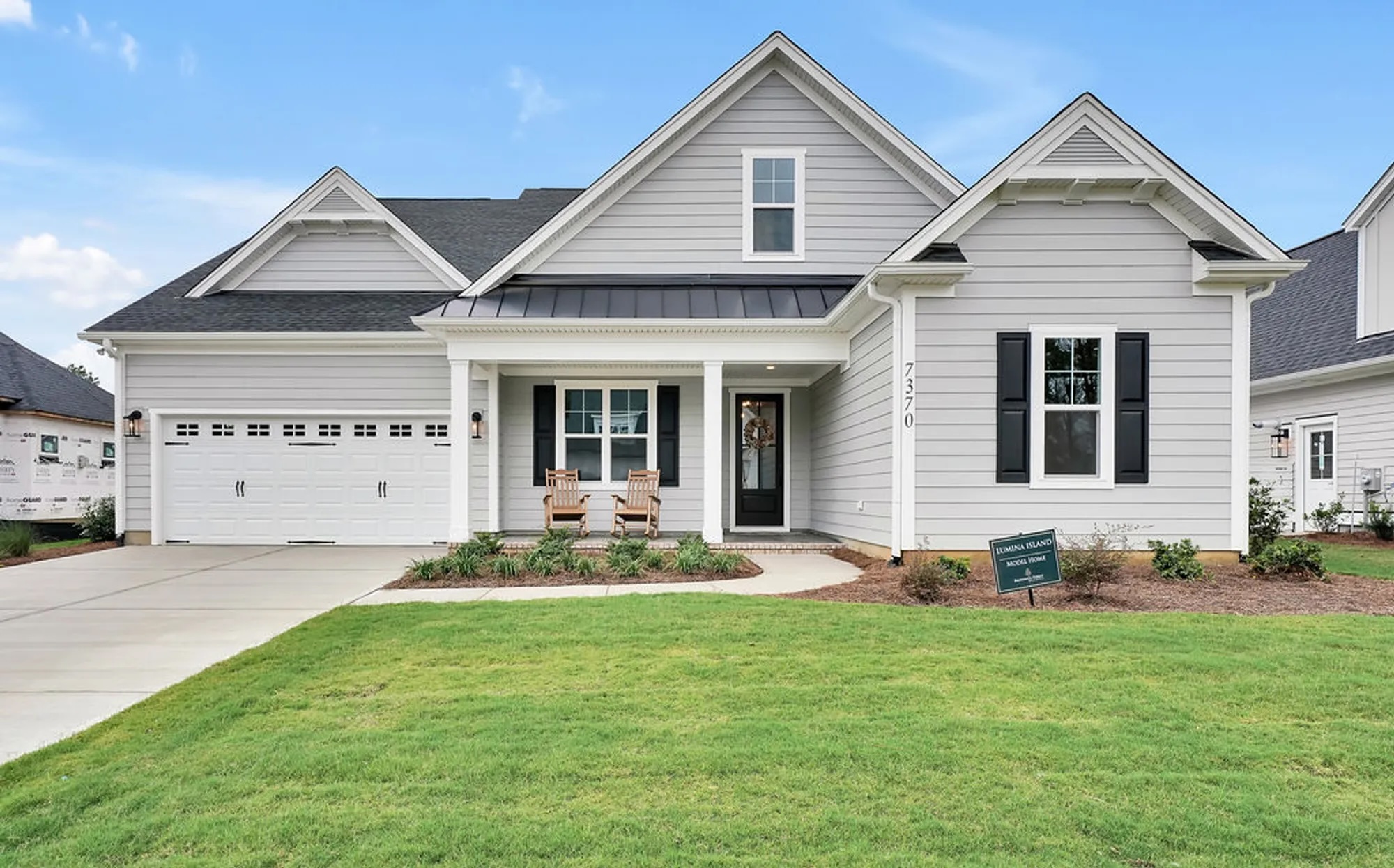
Before approving financing, lenders want to understand the full cost of the project. Several variables can influence the final construction budget.
Important factors include:
- The size and complexity of the home
- Custom upgrades or specialty finishes
- Lot preparation, grading or site work
- Utility connections and infrastructure
- Local permitting and inspection fees
- Market conditions affecting material prices
A detailed construction plan allows lenders to evaluate the project accurately and helps prevent unexpected financial surprises later.
How to Prepare Financially Before Building
Preparing early can make the financing process much smoother. Buyers who organize their finances ahead of time often find it easier to move through loan approval.
Helpful preparation steps include:
- Checking your credit score and financial history
- Determining a comfortable monthly payment range
- Saving for a down payment and contingency funds
- Avoiding large purchases before loan approval
- Gathering documentation such as tax returns and income verification
According to guidance from the Consumer Financial Protection Bureau, lenders typically evaluate income stability, credit history and debt-to-income ratios when reviewing mortgage applications. Preparing these items in advance can simplify conversations with lenders.
Why Experience Matters in the Homebuilding Process
Building a home involves coordination between buyers, lenders and builders. Working with an experienced team helps ensure the process remains organized and transparent.
Experienced builders can help by:
- Creating realistic construction budgets
- Coordinating with lenders during the approval process
- Communicating timelines clearly
- Reducing the risk of unexpected delays or cost changes
When everyone involved understands the process and communicates openly, financing and construction tend to move forward more smoothly.
Common Questions Buyers Have About Construction Financing
Many buyers have similar concerns when exploring construction loans. Here are a few common topics that often come up:
- How much down payment is required? Construction loans often require a larger down payment than traditional mortgages.
- Do you pay a mortgage during construction? Borrowers typically make interest-only payments on the portion of funds already used.
- How do construction loan draws work? Lenders release funds in stages as the home reaches key construction milestones.
- What happens if construction takes longer than expected? Lenders may adjust timelines or extend loan terms depending on circumstances.
- When does the permanent mortgage begin? Once construction is complete and the home passes final inspections.
Understanding these details ahead of time can help buyers feel more comfortable with the process.
Building With Confidence Starts With Understanding the Process

While financing a new home build differs from buying an existing home, the process is straightforward once you understand how construction loans work. Funds are distributed in stages during construction and then converted into a traditional mortgage once the home is finished.
With careful planning, clear communication and the right guidance, building a home can be an exciting and rewarding experience.
For more than three decades, Kent Homes believed that building a home should be grounded in trust, communication and a process that helps homeowners feel confident every step of the way.
Frequently Asked Questions About Financing a New Home Build
How much down payment do you need to build a house?
Many construction loans require a down payment of 10–20 percent, though requirements vary depending on the lender and borrower qualifications.
Is it harder to finance a new construction home?
Construction financing involves additional steps, but many lenders specialize in these loans and guide buyers through the process.
Do you pay a mortgage during construction?
Most borrowers make interest-only payments on the portion of the loan that has been used during construction.
What credit score is needed for a construction loan?
Many lenders prefer credit scores of 680 or higher, though requirements vary by loan program.
Can construction loans roll into a mortgage?
Yes. Construction-to-permanent loans convert into a traditional mortgage once the home is completed.

