
Blog
Building a House on Your Own Land in Coastal NC: Where to Start
August 6, 2026
There's something special about building a home on land you already love, whether it's a wooded lot you've owned for years or a homesite you just found along the Coastal Carolina shoreline. But building through a Build On Your Land program is a different journey than buying in a planned community, and it comes with a few extra steps worth understanding upfront. Kent Homes has spent over 35 years building homes throughout Wilmington, Leland, Hampstead, and Southport, and we want to walk you through exactly what that process looks like.
Key Takeaways
- Not all land is created equal; soil conditions, topography, and access to utilities all affect what's possible (and what it costs) to build.
- Site preparation, from clearing and grading to well and septic work, should be evaluated and budgeted for early, not discovered mid-project.
- Local zoning, permitting, and setback requirements vary by county and municipality across Coastal North Carolina.
- Partnering with an experienced local builder from the very beginning helps you avoid costly surprises later.
- Even without land in hand yet, the process can still move forward with the right guidance.
Not All Land Is Ready to Build On (Yet)
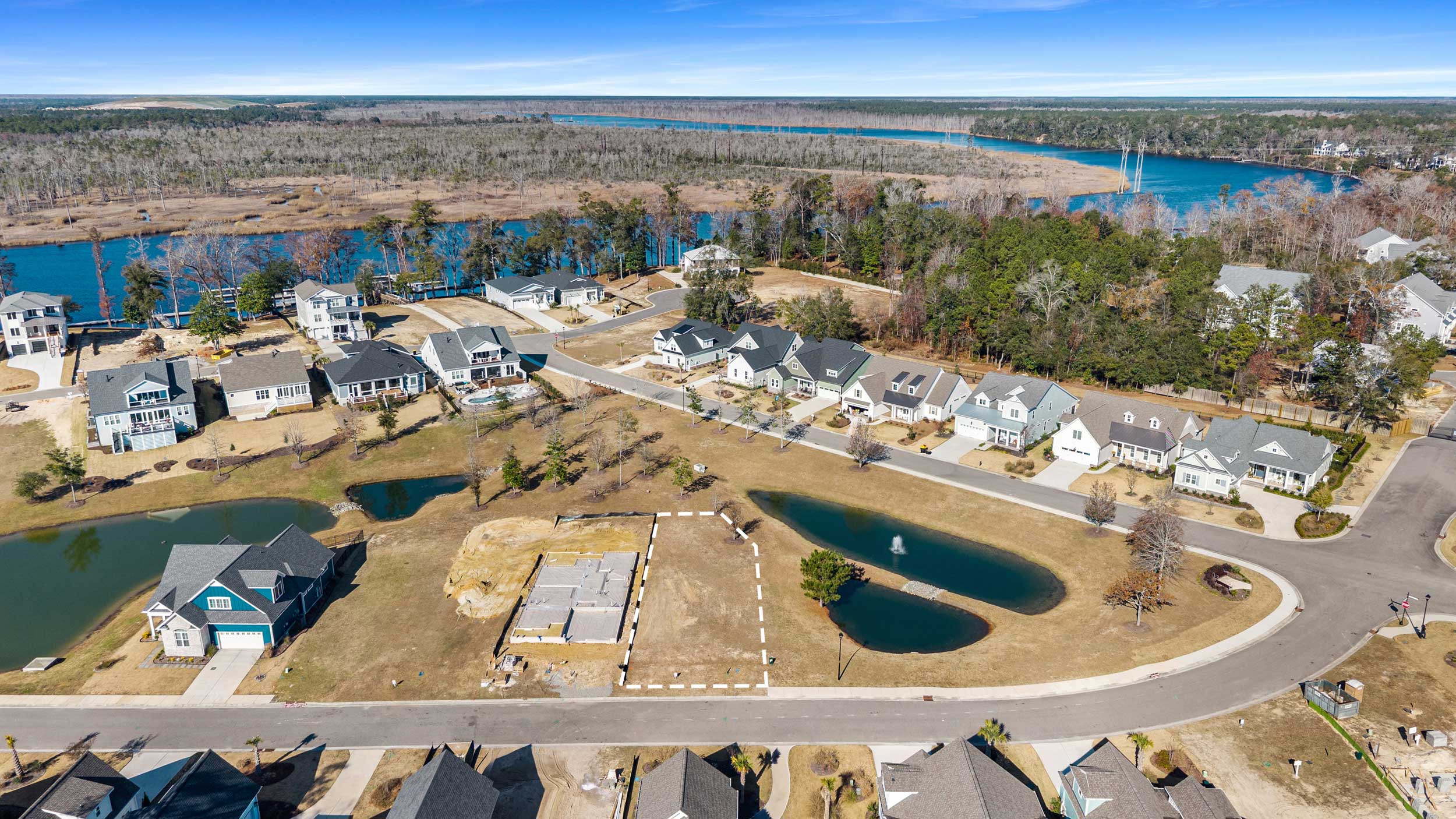
Before falling in love with a lot, it's worth understanding what's actually underneath and around it. Soil composition affects everything from your foundation type to drainage, and low-lying or heavily wooded parcels may need more extensive prep work than they appear to at first glance. Topography matters too; a sloped lot might mean additional grading or a different foundation approach than a flat one.
It's also important to check what utilities are already accessible. Is the site connected to public water and sewer, or will it need a well and septic system? Is power already run to the property line, or will that need to be extended? None of these are dealbreakers, but they do affect your overall budget, so getting clear answers early keeps your expectations grounded from the very start.
Site Preparation: What Actually Goes Into "Getting Land Ready"
Once a site is evaluated, site preparation is really where the real work begins. This can include clearing vegetation, grading for proper drainage, installing a well or septic system if public utilities aren't available, and running power and other services to the building site. Every parcel is different, which is exactly why a professional walkthrough of your land matters so much before construction ever starts.
Since every home site comes with its own quirks, our team offers free home site evaluations, visiting your property in person to identify what prep work is needed and provide honest, itemized cost estimates for grading, utilities, and everything in between. That kind of transparency upfront means no surprises buried in your budget once construction is underway.
Navigating Local Zoning and Permitting
Coastal North Carolina covers a lot of ground, and zoning, setback, and permitting requirements can shift significantly depending on whether you're building new homes in Wilmington, Leland, Hampstead, Southport, or elsewhere in Brunswick County. Some areas have flood zone considerations, others have specific setback rules from wetlands or waterways, and permitting timelines vary by jurisdiction.
This is where local experience becomes invaluable. A builder who's navigated these exact regulations across the region for decades can often anticipate issues before they become delays, saving you significant time and frustration during the permitting process.
Choosing the Right Builder for a Custom, On-Your-Land Build
Building on your own land is inherently more personalized than choosing a home in an established community, which means your builder relationship matters even more. Look for a team with real, regional experience, not just general homebuilding knowledge, but familiarity with the specific soil types, drainage patterns, and permitting quirks of Coastal North Carolina specifically.
Selecting and personalizing a floor plan is where things start to feel exciting, and having a wide range of proven layouts and included features to build from, along with the flexibility to tailor them to your land and lifestyle, makes a big difference. It's also worth asking how a builder structures their process from start to finish, including how they handle securing your homesite, finalizing structural options, and moving into construction financing once your plan is locked in.
Don't Have Land Yet? That's Completely Normal
If you're earlier in the process and haven't found the right property yet, you're in good company. Many buyers come to the table without a homesite in mind at all, and an experienced local home builder can help evaluate potential land for suitability well before you commit to a purchase. That guidance early on, before you own the property, can save you from buying a lot that ends up being far more costly to prepare than it initially appeared.
Final Thoughts
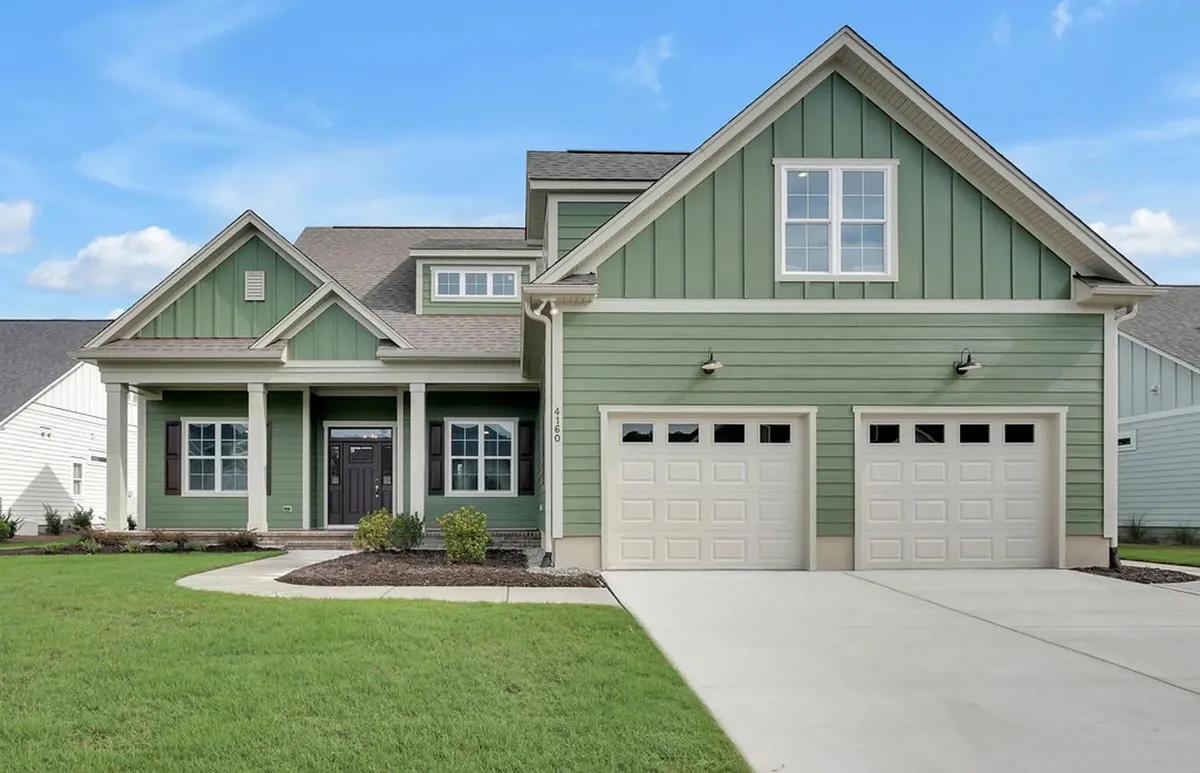
Building on your own land in North Carolina's coastal region is one of the most rewarding ways to create a home that truly fits your life. It just requires a little more groundwork than a standard community build, from evaluating soil and utilities to navigating local permitting. With the right builder walking alongside you from the very first site visit, the process becomes far less intimidating and a lot more exciting. If you're ready to talk through your land, or you're still searching for the right piece of property, we'd love to help you get started.
FAQ
What should I check before buying land to build on?
Look into soil conditions, topography, utility access (water, sewer, power), and any flood zone or wetland setback requirements specific to the county or municipality.
Do I need to already own land to start the building process?
No. Many buyers begin without a specific lot in mind, and an experienced local builder can help evaluate potential properties for suitability before you purchase.
How much does it cost to prepare land for building?
It varies significantly based on the site; clearing, grading, well/septic installation, and utility extensions all factor in. A home site evaluation from a builder can provide a detailed, itemized estimate specific to your property.
Which areas does Kent Homes' Build On Your Land program serve?
Kent Homes builds on privately owned land throughout Wilmington, Leland, Hampstead, Southport and surrounding areas across New Hanover, Pender and Brunswick counties in Coastal North Carolina.
Is building on my own land more expensive than building in a planned community?
It can be, depending on site conditions like grading and utility access, since planned communities often have infrastructure already in place. A transparent, itemized cost breakdown during your initial consultation helps you compare the two options clearly.
How do I get started with Kent Homes’ Build On Your Land program?
Start by reaching out to our dedicated Build On Your Land sales consultant. They can learn more about your property, answer questions about the process and help you understand the next steps for building a Kent home on your land.

